2026-07-14
Driving a Lamborghini in Las Vegas: What It's Really Like
A lap-by-lap account of driving a Lamborghini on the track at SpeedVegas: the briefing, the first corner, the main straight, and what surprises people every time.
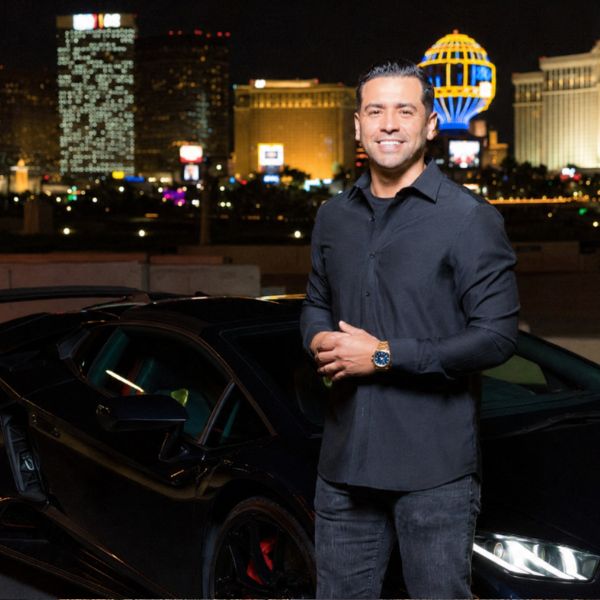 By John Rivera, Las Vegas exotic car driving specialist
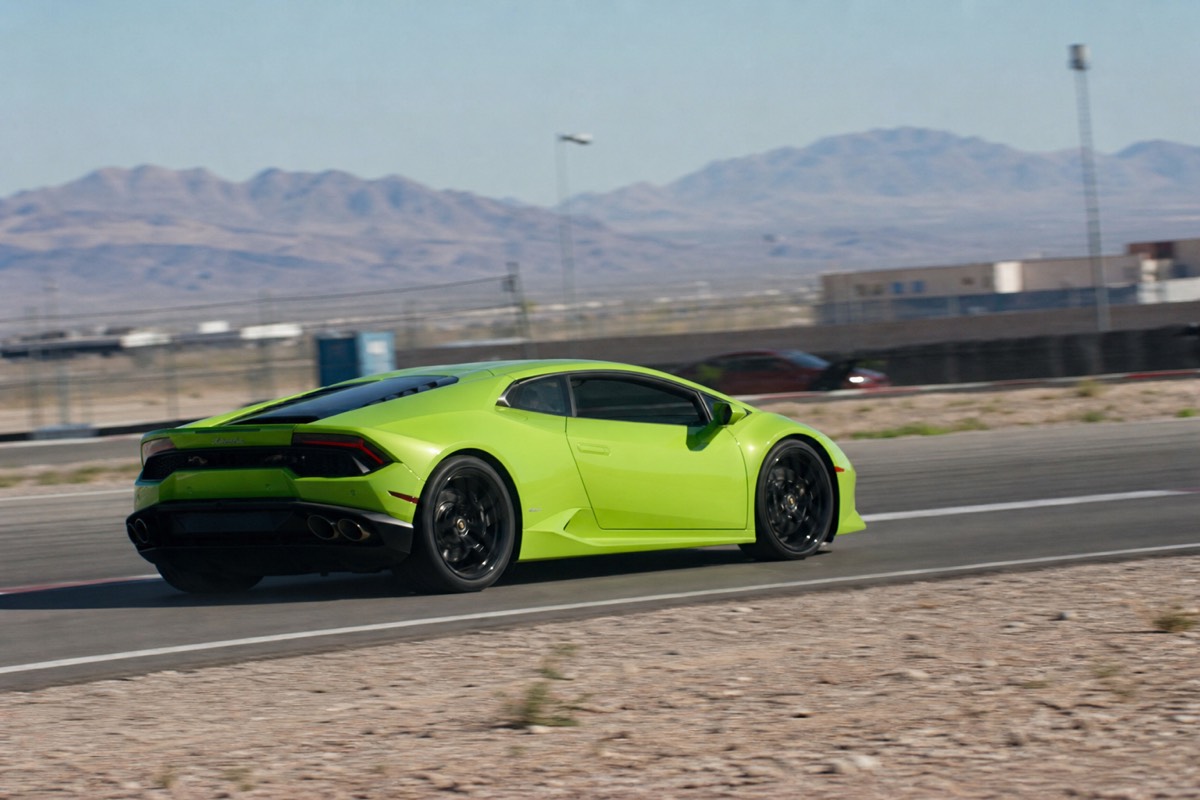
The Huracan idles like it is annoyed at you. You feel it before you hear it, a low shudder coming up through the seat and the wheel, and the cabin is already warm because it is Vegas and the desert does not care that you are nervous. I am belted into the passenger seat beside you, helmet on, and the last thing I say before we roll is short: hands at nine and three, eyes up the track, and when I say go on the straight, you go. Then the pit lane opens and turn one is coming at you faster than your brain filed it under "one minute ago."
I have run this drive at SpeedVegas since 2022, and I have sat in that right seat for well over a thousand guests. Doctors, nervous honeymooners, a guy who flew in from Osaka just for this. The car does not know any of that. What follows is what actually happens once you are in it, minute by minute, told the way I would tell you at the briefing table before we walk out to the grid.
What happens before you drive?
Before you touch the car, you check in, sign the waiver, and sit through a real briefing where a coach walks you through the racing line, the flags, and the braking markers. You get fitted for a helmet, then ride two discovery laps as a passenger so the track is not a stranger. Only after that do you slide into the driver's seat.
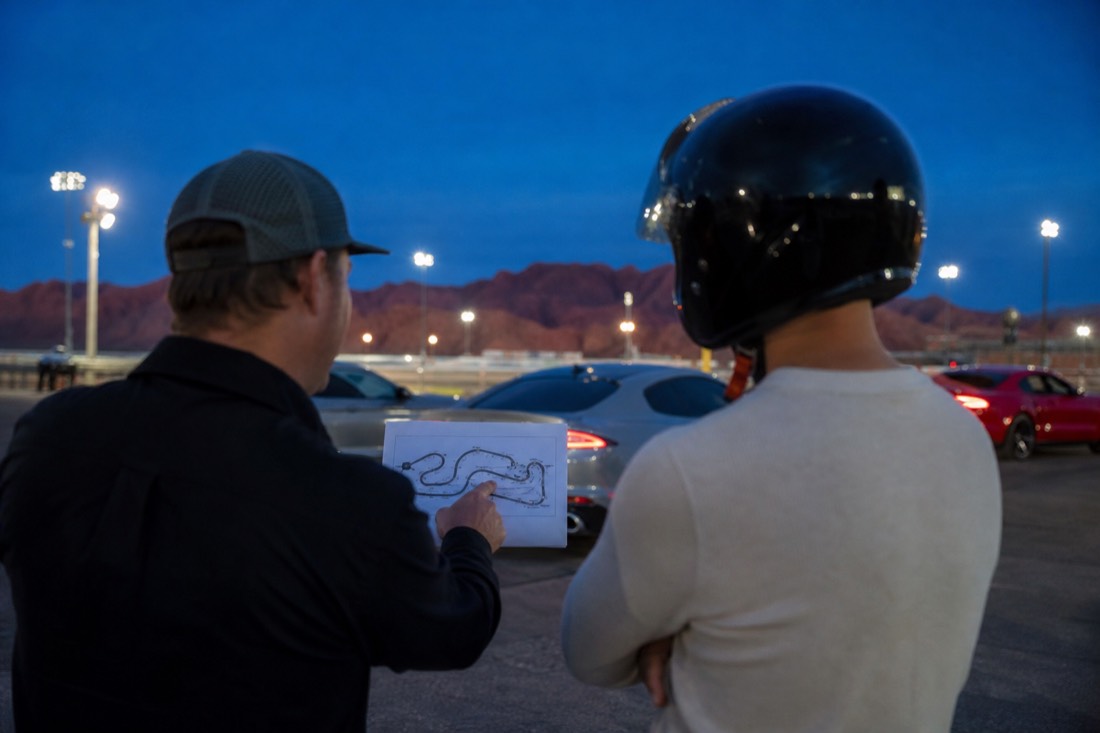
Nobody hands you a Lamborghini and points at the track. The morning starts slow on purpose. You show your license, closed-toe shoes on your feet, and we sit you down for the part people underrate: the briefing. I draw the 10 turns, I tell you where to brake and where the car wants to be, and I point out the big one, the 2,000-foot main straight where you will see numbers you have never seen on a public road.
Then the discovery laps. You ride shotgun with a coach driving, twice around the 1.3-mile circuit, and that is where the track stops being an abstraction. You see turn one arrive, feel where the braking happens, watch the line open up on exit. By the time you climb into the driver's seat, your body already has a rough map. The cars are paddle-shift, so there is no clutch to think about. You steer, you brake, you pull a paddle when I tell you, and you drive.
| Step | What happens | Roughly how long |
|---|---|---|
| Check-in | License, waiver, closed-toe shoe check | A few minutes |
| Briefing | Coach walks the line, flags, braking points | 10 to 15 minutes |
| Helmet fitting | Sized and handed to you, provided free | A couple minutes |
| Discovery laps | Two laps riding as a passenger with a coach | 2 to 3 minutes |
| Your drive | 5 or 10 timed laps, coach in the car | 5 to 12 minutes |
What does the first lap actually feel like?
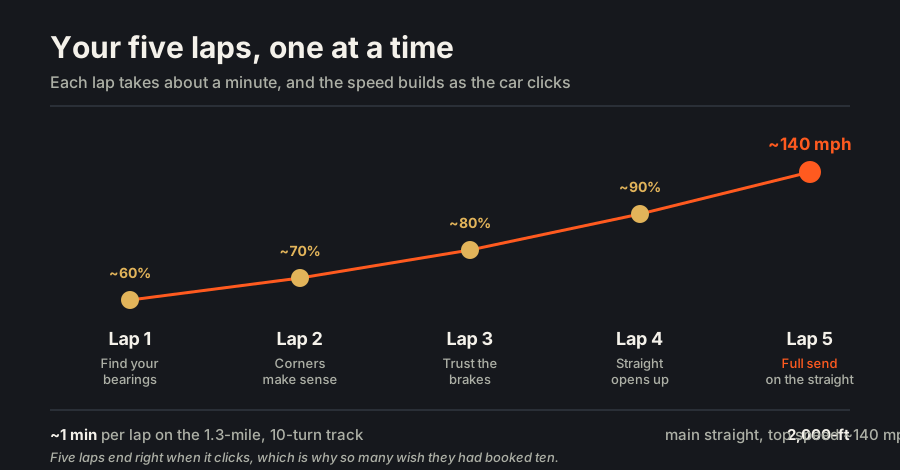
The first lap feels slower than you expect, and that is by design. You are finding the brake, learning the weight of the steering, listening to me call the line. Most people drive lap one at maybe 60 percent, which still feels fast because a Huracan at 60 percent is quicker than almost anything you have driven.
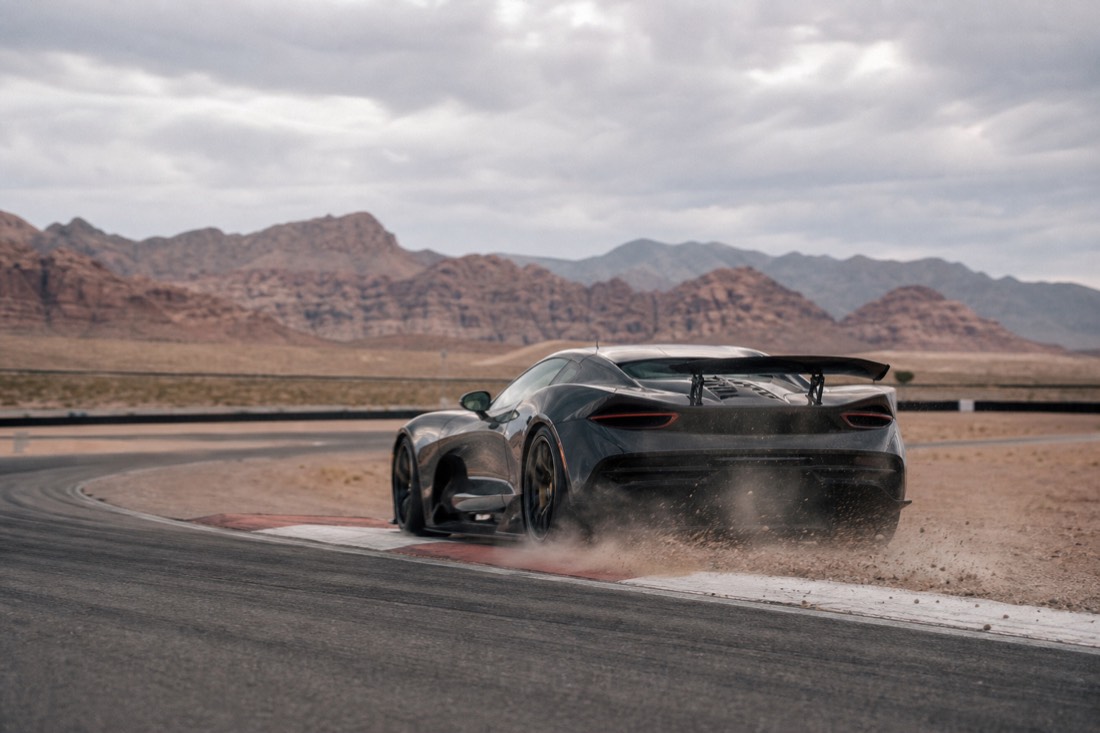
Here is the honest truth about lap one: you are not racing yet, you are negotiating. The Lamborghini's steering is heavier and more direct than your car at home, the brakes bite harder than you think, and the whole thing is louder from the driver's seat than it was from the passenger side. Your hands are tight on the wheel. That is normal. Everybody grips too hard on lap one.
My job in that first minute is to be your calm. I call the braking marker before turn one, I tell you to ease off and let the car settle, then I tell you when the exit opens up and you can feed the throttle back in. You are not memorizing anything. You are just doing the next thing I say. And somewhere around the exit of turn three, the car stops feeling like a wild animal and starts feeling like a tool. That shift, from fear to focus, is the whole reason people book this.
How fast do you really go?
On the 2,000-foot main straight you get the car up to around 140 mph, and it happens fast because a Lamborghini pulls hard the whole way there. Around the 10 turns you are slower, braking and rolling through corners, but the straight is where the speedometer does the thing people fly to Vegas to feel.
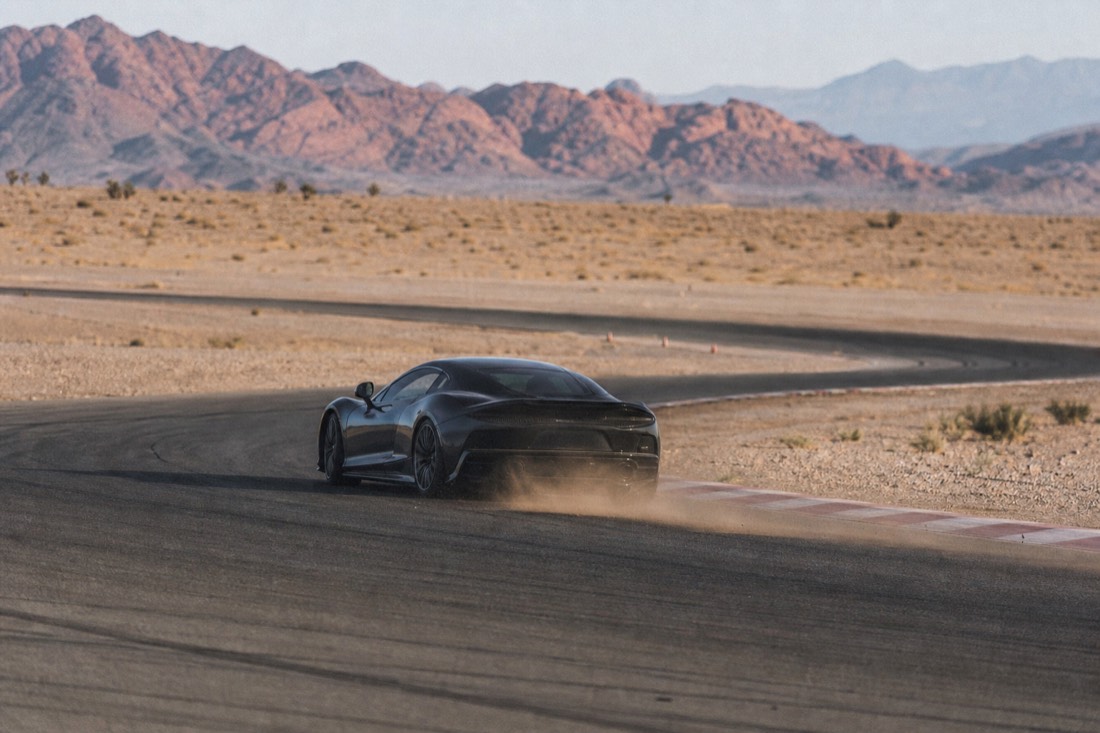
A full lap of the 1.3-mile track takes about a minute. The quicker drivers, usually by their last couple of laps, get it down to 50 or 60 seconds. Most of that minute is corners, so the mental picture of "flat out for a mile" is not quite it. What you actually get is a rhythm: brake, turn, unwind, then that long clean straight where I say go and mean it, and the car just leans into the horizon and pulls.
Around 140 mph feels different than any number you have hit on a highway, partly because you are doing it on a private closed circuit built for exactly this, with the Red Rock Canyon desert and the mountains sitting out past the fences. This corner of the valley is all raw high desert, and the protected land around Red Rock Canyon is the backdrop while you are pinned in the seat. Then the braking zone for the next turn arrives, you get off the throttle, and the car hunkers down under the brakes. It is the most alive a minute gets.
| Lap | What it feels like | Rough pace |
|---|---|---|
| Lap 1 | Finding your bearings, heavy hands, listening | Around 60% |
| Lap 2 | Corners start making sense, breathing again | Around 70% |
| Lap 3 | You trust the brakes, throttle earlier on exits | Around 80% |
| Lap 4 | The straight opens up, first real taste of ~140 | Around 90% |
| Lap 5 | Full send, and it ends right as it clicks | Full commitment |
Is five laps enough?
Honestly, no, for most people. Five laps take about five minutes total, and that is right around the moment the car stops scaring you and starts thrilling you. The most common regret I hear at the pit exit is booking only five. If the budget allows, book ten.
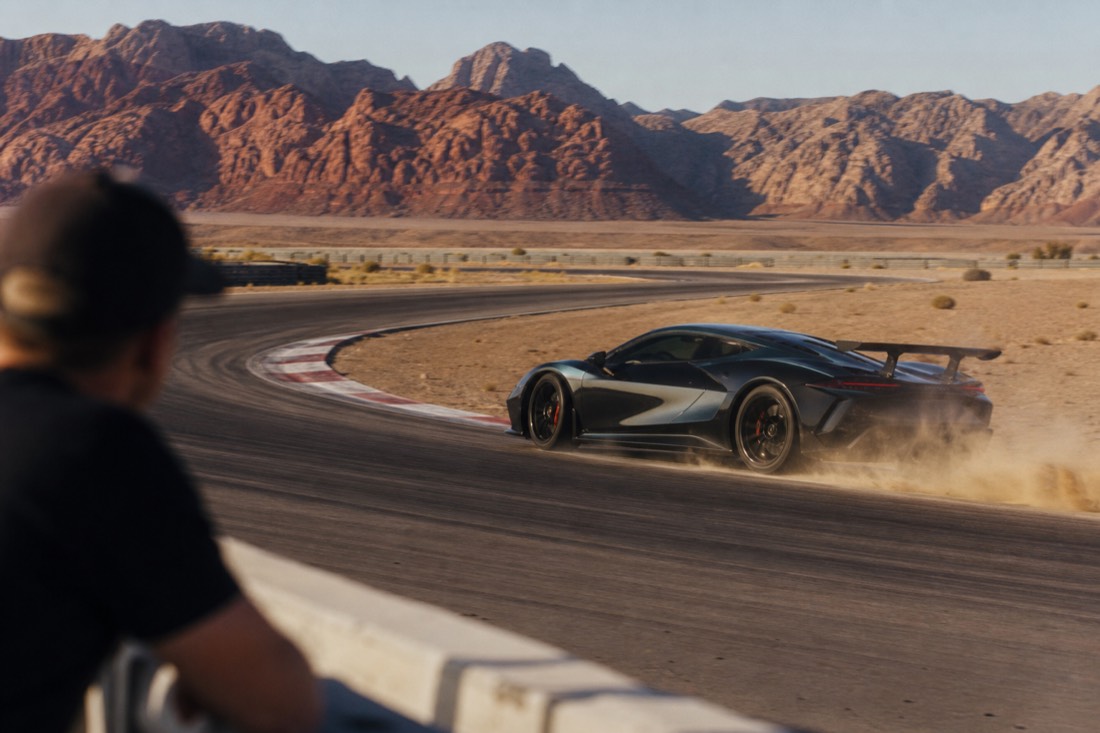
I watch it happen constantly. A guest pulls in after lap five, pops the door, pulls the helmet off, and the first words out are some version of "wait, can I do more?" Sometimes you can, if there is same-day room, but busy weekends sell out and I cannot promise it. The five-lap session is a genuine experience and plenty of people leave grinning. But five laps end right at the point where lap four taught you the straight and lap five let you finally use it.
Ten laps is where it settles into something you keep. You get past the nerves, you get a couple of clean laps where the whole track flows, and you leave having actually driven the car rather than survived it. If you already suspect you will want more, and most people do, lock the ten up front. It is cheaper than adding on and the slot is guaranteed.
What should you do and not do on the day?
Do wear closed-toe shoes, show up with a valid photo license, arrive early, and actually listen at the briefing. Do not show up in sandals, do not skip the discovery laps, and do not fight the coach when I call a braking point. The people who trust the process go faster and enjoy it more.
The small stuff decides how good your day is, and most of the mistakes that trip up first-timers are exactly this small. Closed-toe shoes are not a suggestion, they are the difference between driving and watching, because you cannot operate the pedals safely in flip-flops. Bring the license you would use to rent a car anywhere, from any country, and remember the floor is 18 and older to drive. Beyond that, the biggest thing is mindset. Listen at the briefing and trust the line I call, because I am not there to slow you down, I am there to get you to the fast part sooner.
| Do | Don't |
|---|---|
| Wear closed-toe shoes | Show up in sandals or heels |
| Bring a valid photo license (any country) | Assume you can drive on a photo of it |
| Arrive early and use the full briefing | Rush in and skip the discovery laps |
| Trust the coach's braking calls | Brake where you think you should on lap one |
| Book ten laps if the budget allows | Book five and expect it to feel like enough |
The full breakdown of cars, laps, and what is included lives on the 2-Hour Exotic Car Driving Experience page, and if you are still deciding which car fits you, how I would pick a supercar for a first track day covers that call, while the compare page lays the operator options side by side. When you know your date, the cleanest move is to check live availability and prices on Viator, since cars and laps sell out on busy weekends. You can also read the operator's own rundown on the Exotics Racing official site before you commit.